 Telewizor LED COB typu „wszystko w jednym”
  Elastyczne wyświetlacze LED
  Przezroczyste wyświetlacze LED
  Plakat LED
  Okrągłe wyświetlacze LED
  Kreatywne i niestandardowe wyświetlacze LED
Wyświetlacz LED COB Technologia wyjaśniona
Opakowania chip-on-board · P0.62–P1.87 · 5 linii produktów
COB (Chip-on-Board) to technologia obudów LED typu flip-chip, która stanowi podstawę pięciu naszych linii produktów — COB Pro , COB Beta , COB Poster , COB Cube oraz naszego telewizora LED All-in-One . Ten przewodnik wyjaśnia, jak działa technologia COB, czym różni się od SMD i MIP oraz który z naszych produktów będzie odpowiedni dla Twojego projektu.
Chip-on-Board: Jedno podłoże, Brak widocznych szwów
COB to skrót od Chip-on-Board (Chip-on-Board). Zamiast umieszczać każdą diodę LED w osobnym opakowaniu i montować ją na płytce PCB, jak w przypadku SMD (Surface-Mounted Device), COB łączy wiele diod LED typu flip-chip bezpośrednio na jednym podłożu, a następnie otula całą powierzchnię. Rezultatem jest gładsza, bardziej jednolita powierzchnia wyświetlacza z mniej widoczną strukturą pikseli z bliskiej odległości, wyższym kontrastem oraz lepszą odpornością na wilgoć, kurz i uderzenia niż w przypadku diod LED pakowanych pojedynczo.
Firma DOIT VISION wdrożyła technologię COB typu flip-chip w pięciu liniach produktów — wyświetlacze o małej rozdzielczości (COB Pro, COB Beta), przenośne tablice informacyjne (COB Poster), kreatywne wyświetlacze typu cube (COB Cube) oraz zintegrowane wyświetlacze do sal konferencyjnych (telewizory LED All-in-One). Jesteśmy producentem z siedzibą w Shenzhen, założonym w 2013 roku, zatrudniającym 15 inżynierów i wysyłającym produkty do ponad 55 krajów.
Jak COB Porównuje
COB to jedna z trzech głównych technologii pakowania diod LED. Oto, jak wypada na tle alternatyw, wraz z linkami do naszych pełnych analiz technicznych.
COB kontra SMD
Każda dioda LED w obudowie SMD jest montowana osobno – tańsze na początku, większa elastyczność projektowania. Technologia COB łączy chipy na jednym podłożu – bezszwowa powierzchnia, lepsza odporność na wilgoć, niższe koszty konserwacji w ciągu 5 lat.
Przeczytaj analizę TCOCOB vs MIP
MIP stosuje fabryczne kody kolorów dla każdej mini-diody LED przed montażem, co pozwala na osiągnięcie kontrastu 100 000:1, a naprawa pojedynczej diody LED w terenie zapewnia 20–40% wyższą cenę niż w przypadku COB Pro. COB Pro to standardowy wybór w większości pomieszczeń kontrolnych.
Przeczytaj cały przewodnikCOB kontra GOB (Plakat)
W przypadku plakatów LED, COB konkuruje z technologią GOB (Glue-on-Board). Przenośne, często przenoszone oznakowanie cyfrowe wymaga różnych kompromisów w zakresie trwałości, kosztów i napraw.
Dlaczego COB rośnie
Adopcja mikroprocesorów COB przyspieszyła w segmencie technologii Fine Pitch od 2024 roku, wraz ze wzrostem wydajności układów scalonych i spadkiem cen do poziomu zbliżonego do SMD. Rynek zmierza w kierunku 2026 roku.
Przeczytaj Market ViewGdzie mieszka COB WIZJA DOITA
Każdy produkt COB jest przeznaczony dla innego scenariusza zakupowego. Wybierz ten, który odpowiada Twojej aplikacji, a następnie przejdź na jego stronę ze szczegółowymi informacjami, aby zapoznać się z pełną specyfikacją i cenami.
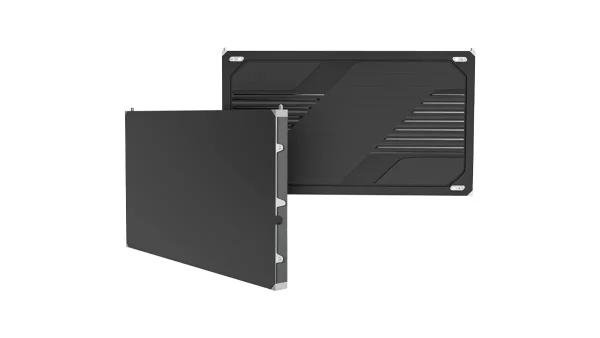
COB Pro
Nasz flagowy model 16:9. Obudowy COB typu flip-chip o wymiarach 600 × 337.5 mm, przeznaczone do pomieszczeń kontrolnych, studiów transmisyjnych i wysokiej jakości wewnętrznych ścian wideo.
Zobacz szczegóły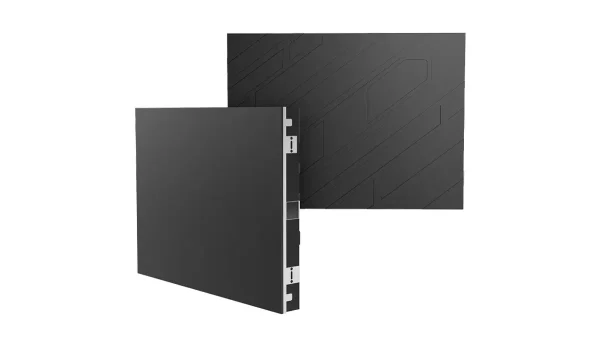
Beta COB
Obudowa COB w formacie 4:3 o wysokiej wartości. Przeznaczona do ścian kontrolnych z wieloma ekranami i ekspozycji sklepowych, gdzie budżet ma większe znaczenie niż rama 16:9.
Zobacz szczegóły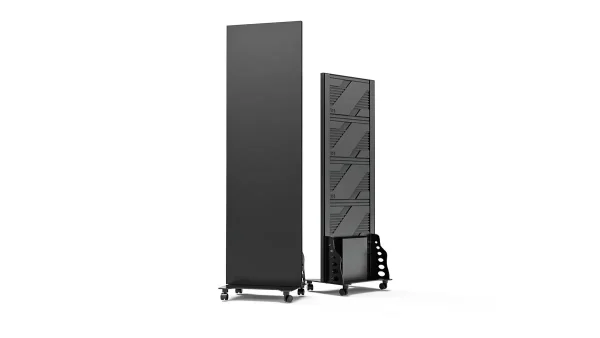
Plakat COB
Wolnostojący system digital signage z panelami COB typu flip-chip. Wbudowane kółka i głośniki, 2K/4K, do sklepów detalicznych, hoteli i wystaw.
Zobacz szczegóły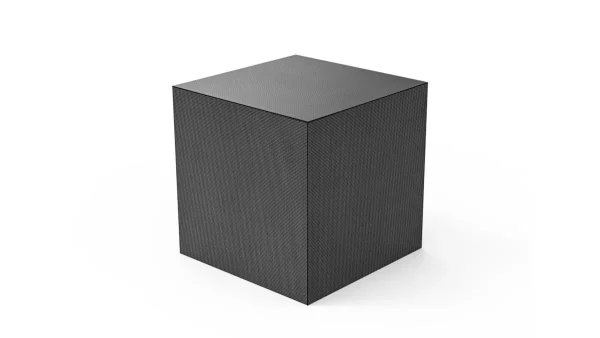
Kostka COB
Bezszwowy, 90-stopniowy, prostokątny stojak ekspozycyjny z magnetycznym mocowaniem od frontu. Możliwość dostosowania rozmiaru do salonów wystawowych, sklepów detalicznych i muzeów.
Zobacz szczegóły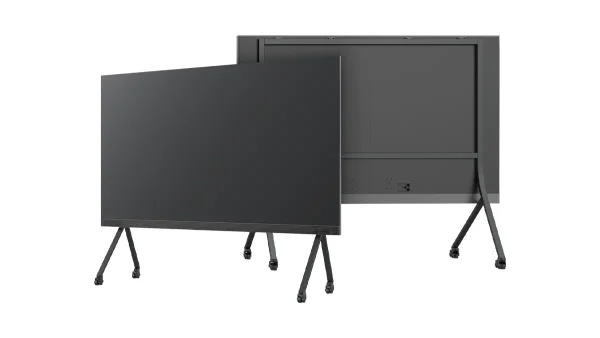
Telewizor LED typu „wszystko w jednym”
Zintegrowany wyświetlacz COB do sal konferencyjnych i pomieszczeń kontrolnych — nie wymaga zewnętrznego procesora, dwa systemy operacyjne, interaktywny dotyk.
Zobacz szczegółyInstalacje COB Udokumentowaliśmy
Brak zdjęć stockowych — każdy przypadek poniżej to prawdziwy projekt DOIT VISION, w którym opisano problem, sposób jego rozwiązania oraz uzyskany rezultat.

33-metrowy, immersyjny salon wystawowy P0.9 COB, New Jersey
Narożna ściana reklamowa COB Pro z mapowaniem pikseli przesuniętych o 90° zapewnia płynne i immersyjne doświadczenie marki.
Przeczytaj studium przypadku
Ściana wystawowa wklęsła COB Pro P1.25 o powierzchni 42 m², Seul
Konstrukcja zakrzywionych szafek na wklęsłej ścianie wystawowej bez widocznych łączeń.
Przeczytaj studium przypadku
3-metrowy podwieszany krąg bez obramowania i układ Halo, Bangkok
Okrągły wyświetlacz COB podwieszony pod sufitem z podtrzymującą go matrycą halo dla atrium hotelowego.
Przeczytaj studium przypadku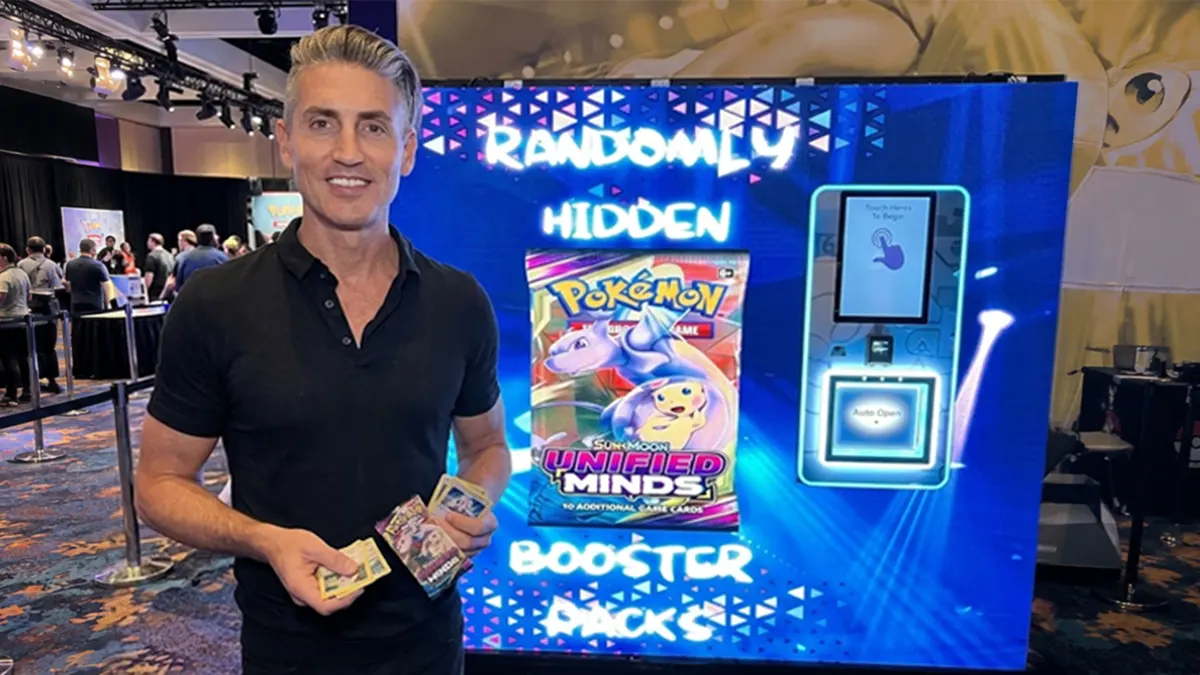
Owijka na maszynę do gier kasynowych P1.86 COB Beta LED
Wycięte na wymiar panele COB Beta owinięte wokół obudowy automatu do gier, montaż metodą poka-yoke.
Przeczytaj studium przypadku
Prototyp COB 4 w 1 dla filarów detalicznych AT&T
Prototypowanie modułu COB 4 w 1 w celu unowocześnienia istniejącej sieci sprzedaży detalicznej o zasięgu krajowym.
Przeczytaj studium przypadku
Płyta piasty na zamówienie do urządzenia medycznego P0.78 COB
Opracowanie niestandardowej płytki centralnej dla partnera OEM, obejmującej montaż panelu COB P0.78 w urządzeniu medycznym.
Przeczytaj studium przypadkuTechnologia COB Artykuły

COB vs MIP vs SMD: Która technologia pakowania diod LED sprawdzi się najlepiej w Twoim projekcie w roku 2026?
Pełne zestawienie wszystkich trzech tras wraz z ramą decyzyjną.
Przeczytaj przewodnik
Czy dioda COB LED jest warta swojej ceny? Analiza kosztów utrzymania w ciągu 5 lat
Rzeczywiste liczby pokazujące, w jaki sposób inwestycja w COB zwraca się w ciągu 5-letniego cyklu życia instalacji.
Przeczytaj analizę
Dlaczego technologia wyświetlaczy Micro COB LED zdominuje rynek diod LED o małym rozstawie pikseli w 2026 roku
Poprawa wydajności układów scalonych i trendy cenowe będące u podstaw przejścia na technologię COB.
Przeczytaj analizę
Plakat: COB vs GOB vs SMD LED: Która obudowa sprawdzi się w praktyce?
Trwałość i problemy z naprawą, charakterystyczne dla przenośnych plakatów LED.
Wyświetlacz LED COB FAQ
Odpowiedzi udzielił zespół inżynierów DOIT VISION.
Technologia COB (Chip-on-Board) polega na montażu wielu chipów LED bezpośrednio na jednym podłożu przed enkapsulacją, zamiast pakowania każdej diody LED osobno, jak w przypadku technologii SMD. Rezultatem jest gładsza powierzchnia z mniej widoczną strukturą pikseli, wyższym kontrastem i lepszą odpornością na wilgoć. DOIT VISION wykorzystuje technologię COB typu flip-chip w pięciu liniach produktów: COB Pro, COB Beta, COB Poster, COB Cube oraz w naszym telewizorze LED All-in-One.
COB Pro to nasz flagowy model w formacie 16:9 — obudowy 600 × 337.5 mm, P0.62 do P1.875, kontrast do 10 000:1, stworzone z myślą o reżyserkach i studiach transmisyjnych. COB Beta to obudowy 4:3, 640 × 480 mm, P1.25 do P1.86, dostosowane do ścian kontrolnych z wieloma ekranami i sklepów detalicznych. Mają różne wymiary i nie można ich łączyć — najpierw zdecyduj o proporcjach obrazu.
Zależy to od zastosowania, a nie od uniwersalnego „lepszego rozwiązania”. Technologia COB wygrywa pod względem płynności, kontrastu i odporności na wilgoć – lepiej sprawdza się w przypadku ścian immersyjnych i sterowni. Technologia SMD wygrywa pod względem elastyczności projektowania i niższych kosztów początkowych. Pełne 5-letnie porównanie kosztów w naszej analizie całkowitego kosztu posiadania (TCO) dla technologii COB i SMD.
COB Pro zapewnia kontrast do 10 000:1 i pokrywa zakresy P0.62–P1.875 w standardowej cenie z drobnym odstępem między diodami. Fabryczne zestawy kolorów MIP dla każdej mini-diody LED osiągają kontrast 100 000:1, a naprawa pojedynczej diody LED w terenie jest możliwa z 20–40% dopłatą. Wybierz MIP dla ekranów o krytycznym znaczeniu dla misji, pracujących 24 godziny na dobę, 7 dni w tygodniu; wybierz COB Pro dla większości projektów w reżyserkach i nadawczych.
Dekodery i procesory wideo Novastar i Colorlight są kompatybilne ze wszystkimi naszymi liniami produktów COB — COB Pro, COB Beta, COB Poster i COB Cube. Zalecamy konkretny model dekodera i procesora na podstawie rozdzielczości ekranu i częstotliwości odświeżania podczas wyceny.
Technologia COB zazwyczaj oferuje wyższą cenę niż standardowa technologia SMD przy tym samym rozstawie pikseli, ponieważ montaż i hermetyzacja chipów flip-chip wydłużają proces produkcyjny. Różnica ta zmniejsza się przy mniejszych rozstawach pikseli (poniżej P1.5), gdzie rosną koszty pakowania technologii SMD. Dokładna cena zależy od rozstawu pikseli, rozmiaru obudowy i wielkości zamówienia — poproś o wycenę, aby otrzymać zamówienie tego samego dnia.
Pięć linii produktów: COB Pro (mała rozdzielczość, 16:9), COB Beta (mała rozdzielczość, 4:3), COB Poster (wolnostojący wyświetlacz cyfrowy), COB Cube (4/5/6-stronny wyświetlacz kreatywny) oraz nasz telewizor LED All-in-One (zintegrowany wyświetlacz do sal konferencyjnych o przekątnej 108–163 cali). Każda z nich ma inne zastosowanie — zobacz karty produktów powyżej, aby znaleźć swoją.
Nie jestem pewien, który COB
Czy produkt pasuje do Twojego projektu?
Prześlij nam wymiary ekranu i aplikację. Nasz zespół inżynierów zarekomenduje model COB Pro, COB Beta, COB Poster, COB Cube lub telewizor All-in-One – z ceną fabryczną i terminem realizacji – tego samego dnia.